

By Malik Azmat
Introduction
A Colombian family is desperately searching for answers after their loved one went missing following a U.S. military strike on a small vessel accused of drug trafficking in the Caribbean Sea. The incident has sparked a wave of questions about sovereignty, transparency, and the human cost of America’s expanding maritime anti-drug operations.
A Routine Fishing Trip That Turned Into a Mystery
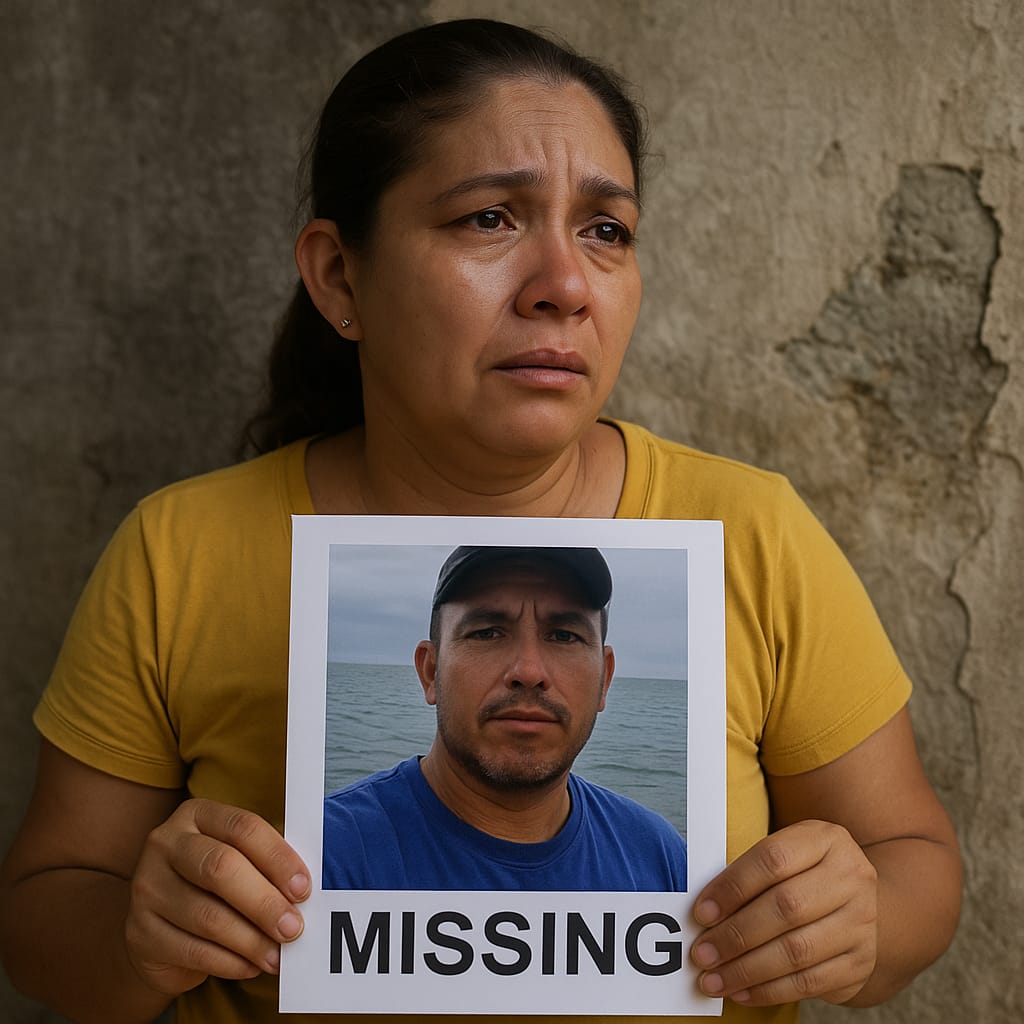
Forty-year-old fisherman Alejandro Carranza left his coastal village for what his family says was a normal fishing trip. He never returned.
Days later, the U.S. Department of Defense confirmed it had carried out a strike on a “suspected narcotics-carrying vessel” in the Caribbean — in the same area where Carranza was believed to be fishing.
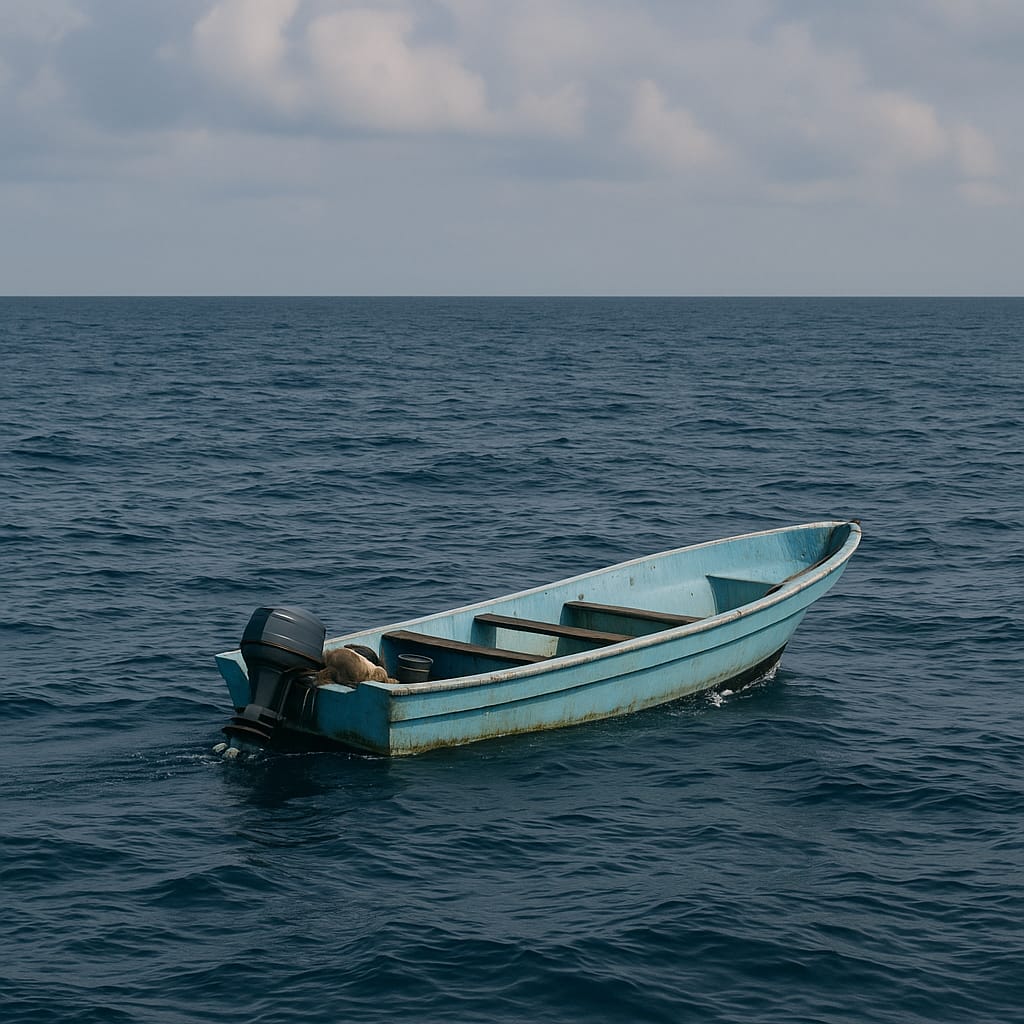
he family says they have received no official information about whether he was aboard the targeted boat.
“Why did they take his life like that? He was a fisherman, not a criminal.”
— Katerine Hernández, Carranza’s wife
U.S. Explanation: A Strike Against ‘Narco-Terrorism’
U.S. officials insist the targeted vessel was linked to criminal trafficking networks. According to statements released by defense officials:
The vessel was allegedly transporting narcotics toward the U.S.
The strike was justified under the framework of a “non-international armed conflict” with drug-trafficking organizations.
No identities or evidence linking specific individuals to drug trafficking have been publicly released.
The lack of clarity and transparency has fueled frustration in Colombia.
Colombia Pushes Back: ‘It Is Murder’
Colombian President Gustavo Petro has strongly condemned the incident, saying it may have involved Colombian civilians, including fishermen.
He called the attack:
“A violation of Colombia’s sovereignty and an act of murder.”
Colombia is demanding:
Proof that the vessel was carrying drugs
Identification of the people on board
Disclosure of whether the strike occurred inside or near Colombian territorial waters
Tensions have risen, with Colombia even considering scaling back intelligence sharing with the U.S.
A Family Left Searching for Truth
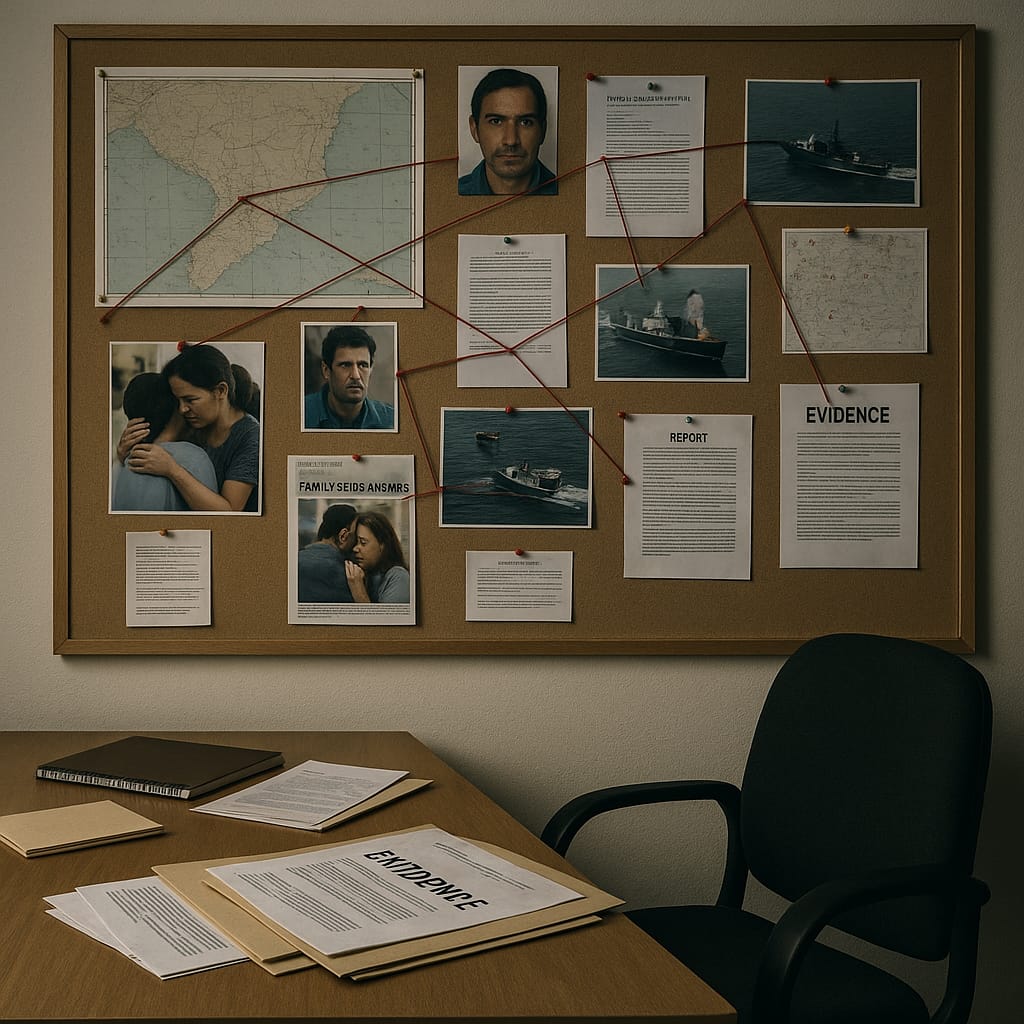
Carranza’s family remains trapped in a painful uncertainty. They have no:
Confirmation of his death
Body to bury
Investigative report
Forensic evidence
Direct communication from authorities
His wife says their family is suffering more with every passing day.
“We just want the truth. Was he on that boat? None of the authorities will tell us.”
Human Rights Concerns and Legal Questions
Human rights groups warn that the incident raises pressing concerns:
- Due Process
Using lethal force instead of interception or arrest bypasses international judicial standards.
- Civilian Protection
Ordinary fishermen risk misidentification in regions where drug-trafficking routes overlap with fishing zones.
- Lack of Identification
Many victims of similar strikes remain unidentified, violating humanitarian norms.
- Sovereignty Issues
If the vessel was within Colombian waters, the strike would raise serious international law violations.
A Growing Debate Over U.S. Maritime Strikes
This incident adds to a broader debate about the United States’ strategy of targeting suspected drug boats with military force. Critics argue that:
Evidence is often not disclosed
Civilian casualties go unreported
Maritime law enforcement becomes militarized
Regional diplomacy suffers
Supporters claim the operations disrupt trafficking lanes — but families like Carranza’s pay the price when mistakes occur.
Conclusion
The disappearance of Alejandro Carranza highlights the devastating human cost of unclear and unaccountable military operations at sea. While governments debate legality and strategy, his family remains lost in grief and confusion — seeking only one thing:
The truth.
Until Colombian and U.S. authorities provide clear answers, the mystery will continue to haunt not only the Carranza family but also the broader debate over the boundaries of anti-drug warfare.