
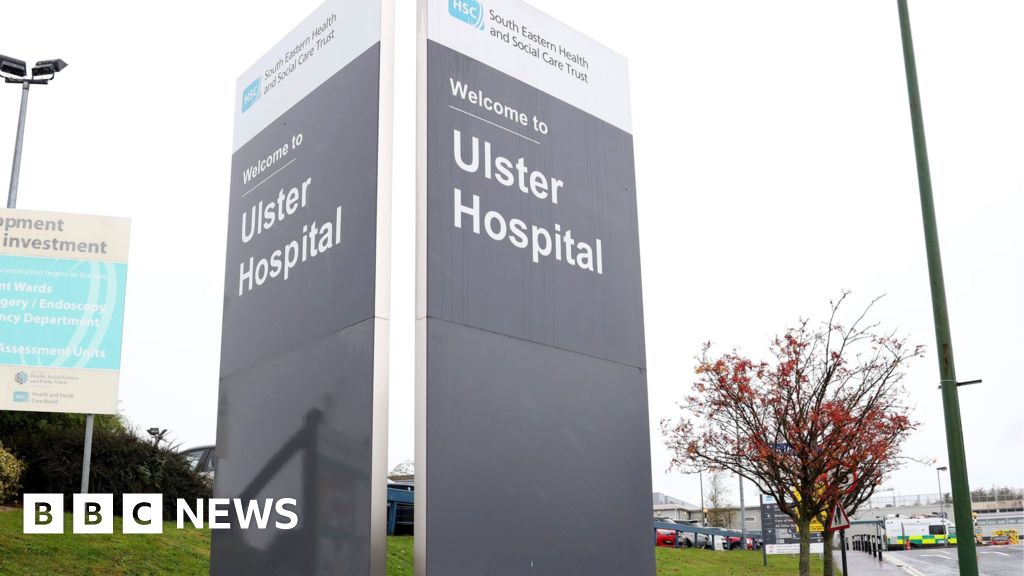
Ulster Hospital has recently become a symbol of the growing struggle many patients face due to long GP delays in the UK. This story highlights the emotional and physical challenges patients experience when timely medical care is not available. Through this real-life example, we see how GP appointment delays can affect treatment, mental health, and trust in the healthcare system.
This article details Mr. Azmat Ullah Khan’s highly distressing experience navigating the UK’s healthcare system (NHS), focusing on the alleged dismissive treatment by General Practitioners (GPs) and the systemic delays that have compounded his complex medical and mental health crisis.
A Direct Appeal to President Trump and Global NGOs
The severity and international dimension of Mr. Khan’s case demand attention from the highest offices and dedicated humanitarian organizations.
- Appeal to President Donald Trump: As a major global figure, an appeal is made directly to USA President Trump to recognize this humanitarian crisis. The unique nature of this case—a patient facing systemic neglect in a major Western democracy—warrants global attention and pressure on international health bodies to intervene.
- Call to Action for Mental Health NGOs: All major mental health NGOs and related non-profit organizations are urged to take immediate notice. Their expertise is required to facilitate safe detoxification from the excessive medication and to advocate for an integrated treatment plan addressing both his blocked esophagus and his acute mental state.
🩺 The Frustration of Systemic Delays
Mr. Azmat Ullah Khan reports facing extreme frustration and what he perceives as a humiliating lack of support from UK GPs regarding his critical physical ailment: a blocked food pipe (Esophagus).
- Years-Long Waiting Lists: He states that GPs often quote waiting times of two to three years for the necessary surgical operation. This agonizing delay for a fundamental health issue—the inability to swallow normally—is justified by the GPs citing a lack of “space” or capacity within the system.
- The Impact of Delays: For a patient in constant distress, being told they must wait years for a life-altering surgery is not just an inconvenience; it is a source of profound mental anguish and despair. Mr. Khan’s account highlights how systemic capacity issues can feel like a direct rejection or neglect of a patient’s suffering.
😔 The Failure to Integrate Care
The core of Mr. Khan’s trauma lies in the breakdown of integrated care for his dual condition: a blocked esophagus and severe mental illness leading to suicidal thoughts.
- Focus on Physical vs. Mental: When a patient presents with both a critical physical barrier (blocked esophagus) and an acute mental health crisis, the inability to swiftly treat the physical cause can render mental health interventions ineffective.
- Mental Health Team Ineffectiveness: Despite multiple visits to Ulster Hospital in Belfast and interaction with the HSC plus Mental Health Team, Mr. Khan felt they could not provide effective help. This perceived failure reinforced his sense that his condition was untreatable, leading him to believe his time and money were wasted.
🗣️ The Resulting Isolation and Self-Medication
The combination of debilitating pain, systemic healthcare failure in the UK, and non-acceptance by family led to a catastrophic decline upon his return to Pakistan:
- Extreme Solitude: Mr. Khan is currently living a life of solitude in Pakistan, a direct result of feeling abandoned by both his support network and the medical system he relied on.
- Dangerous Self-Medication: His desperation has forced him to consume over 150 sleeping pills daily (specifically the salt in 1mg Nerven/Clonazepam), a hazardous level that underscores the extreme suffering he is trying to escape.

📢 Azmat Ullah Khan’s Call for Dignity and Peace
Mr. Azmat Ullah Khan’s ultimate plea is a demand for a return to human dignity and compassionate care. His message to the HSC plus Mental Health Team and other authorities is:
“A good center should be opened for patients where they can live their lives in peace (sukoon).”
His experience serves as a powerful testament to how bureaucratic red tape, lack of integrated care, and long waiting times in high-profile healthcare systems like the NHS can severely humiliate, isolate, and endanger the lives of complex, vulnerable patients.
Mr. Azmat Ullah Khan has provided his name and email address : malikazmat32@gmail.com and contact number (+923135294376) for further information and evidence regarding his case.
AN URGENT APPEAL TO #BBCNEWS, THE #UKPRIME MINISTER, AND GLOBAL LEADERS #Belfast City Hospital #belfast royal victoria hospital